
Every dog deserves a safe environment, nutritious food, and compassionate care. However, many dogs across India face difficult circumstances, including abandonment, injuries, illness, hunger, and exposure to extreme weather. For these animals, a dog shelter can offer an important source of protection, treatment, and support.
A dog shelter in India may provide temporary refuge for injured, abandoned, or rescued dogs, depending on its facilities and programmes. Shelter teams, veterinarians, and volunteers work together to address animals’ needs and help them recover. Some organisations also promote adoption, vaccination, sterilisation, and responsible animal care.
Supporting a dog shelter does not always mean adopting an animal or volunteering every day. Donations, food contributions, and awareness initiatives can also help animal welfare organisations continue their work.
In this guide, we explore how dog shelters help animals, why their work matters, and how you can contribute to a more compassionate future for dogs in India.
Why Are Dog Shelters Important in India?
Dogs living on the streets may face several challenges that affect their health and safety. Injuries, infectious diseases, hunger, and abandonment can leave some animals particularly vulnerable.
Dog shelters and animal welfare organisations can help address these needs through appropriate care and intervention.
1. Protection for Abandoned and Vulnerable Dogs
Some dogs lose their homes because their owners can no longer care for them, while others are abandoned or found in unsafe situations. When resources and space are available, animal shelters may provide temporary accommodation and arrange appropriate care.
A safe environment can help vulnerable dogs recover while an organisation assesses their longer-term needs.
2. Medical Treatment for Injured Dogs
Street dogs can experience road accidents, wounds, infections, and other medical conditions. Veterinary attention is important for assessing these problems and determining the appropriate treatment.
Some animal welfare organisations coordinate veterinary services or help arrange treatment for injured dogs. The facilities available vary from one organisation to another.
3. Food and Daily Care
Food, clean drinking water, hygiene, and regular observation are essential parts of responsible animal care.
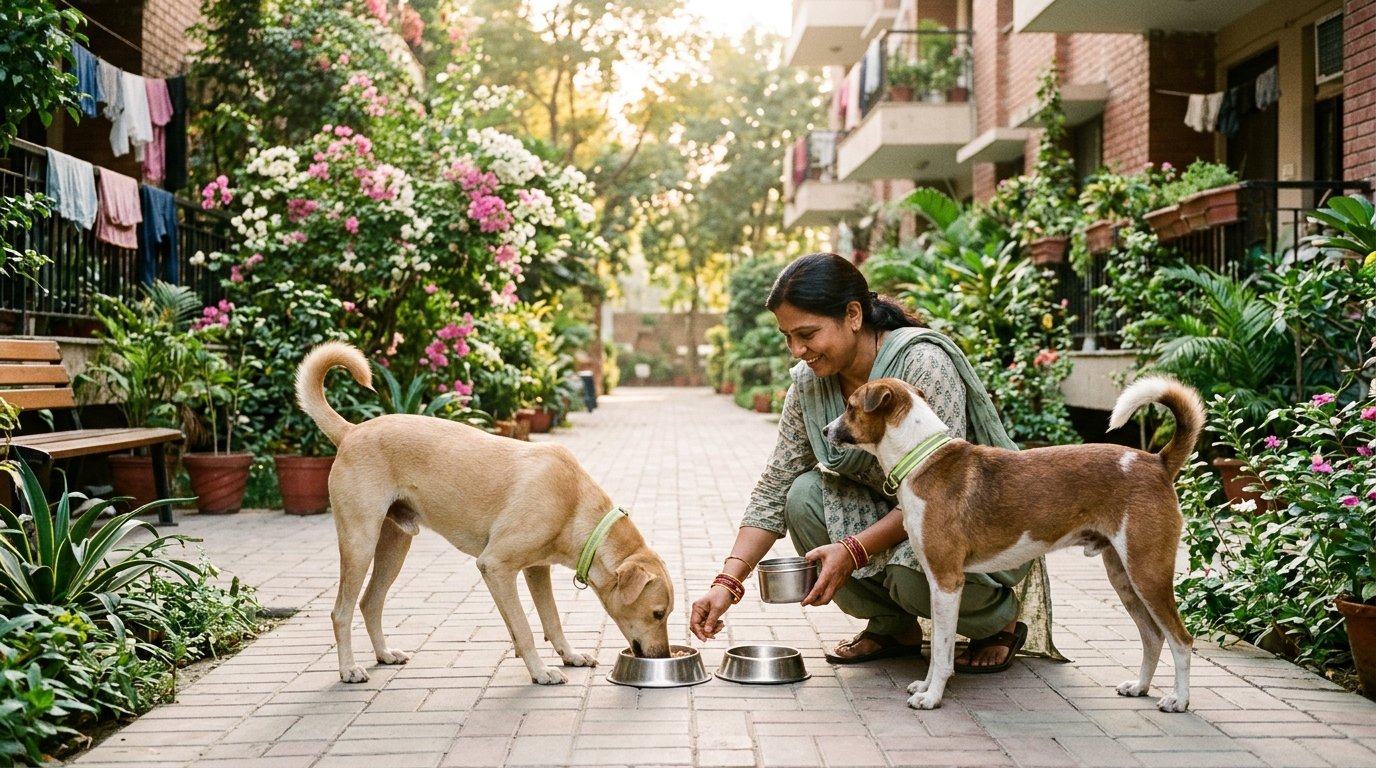
For organisations that operate shelters, meeting these needs requires ongoing supplies, suitable facilities, and trained or experienced caregivers. Feeding initiatives also help support dogs that continue to live in their communities.
4. Support for Adoption and Rehabilitation
Some shelters help suitable dogs find responsible adoptive families. Adoption programmes may include health assessments, discussions with prospective adopters, and guidance on responsible pet ownership.
Not every dog can immediately be placed in a home. Some may require medical treatment, rehabilitation, or continued support before an appropriate placement can be considered.
How Do Dog Shelters Care for Rescued Animals?
The care provided by a shelter depends on its resources, facilities, and the needs of the dogs it supports. Common activities may include the following.
Initial Assessment and Veterinary Care
When a dog arrives at a shelter or is brought for assistance, an assessment can help identify injuries, illness, and immediate care requirements.
Veterinary professionals determine the appropriate treatment, vaccination, and other medical needs. Emergency cases may require prompt attention.
Nutritious Food and Clean Water
Dogs need food suited to their age, health, and nutritional requirements. Access to clean water is equally important.
Shelter teams must plan food supplies carefully to meet the needs of the animals in their care. Donations of money or suitable supplies can help when they match the organisation’s stated requirements.
Clean and Safe Living Spaces
A suitable shelter environment should provide protection from weather, access to water, appropriate resting areas, and hygienic living conditions.
Regular cleaning, responsible waste management, and attention to the dogs’ physical and behavioural needs help support their well-being.
Vaccination and Sterilisation Support
Vaccination can help protect dogs against certain infectious diseases. Sterilisation programmes, when managed by qualified veterinary professionals, are also an important part of humane community dog management.
The services available depend on the organisation and its veterinary partnerships.
How Can You Support a Dog Shelter in India?
You do not need to run a shelter to contribute to animal welfare. There are several practical ways to support organisations that care for dogs.
1. Donate Towards Dog Food
Food is a recurring expense for organisations caring for multiple animals. Financial contributions can help eligible programmes purchase suitable food and coordinate feeding activities.
If you want to help hungry street dogs, consider supporting a dedicated dog-feeding campaign. Before donating, check the campaign’s purpose and how the organisation describes the use of contributions.
2. Contribute Towards Medical Care
Veterinary consultations, medicines, diagnostic tests, and treatment can create significant costs for animal welfare programmes.
Some organisations accept donations towards medical care. Review the relevant campaign details to determine whether your contribution can support this purpose.
3. Donate Essential Supplies
Certain shelters may accept items such as appropriate dog food, cleaning supplies, bedding, or other requested materials.
Contact the organisation before purchasing or sending supplies. Shelters have different needs, and unsolicited items may not be suitable for their facilities or the animals they care for.
4. Volunteer Your Time
Volunteers can sometimes help with feeding activities, supply organisation, awareness campaigns, adoption events, and other tasks.
Ask about the organisation’s requirements before volunteering. Activities involving animal handling may require supervision, training, or particular safety precautions.
5. Encourage Responsible Adoption
If you are considering adopting a dog, research responsible adoption procedures and assess whether you can provide long-term care.
Adoption involves more than bringing an animal home. Food, veterinary treatment, exercise, training, and daily attention are ongoing responsibilities.
If adoption is not suitable for your circumstances, you can still help by supporting responsible animal welfare initiatives.
Dog Shelter Donation: How to Choose an Organisation
Before making a donation, take time to understand the organisation you are supporting.
Check the organisation’s identity. Review its official website, registration information, contact details, and stated mission. (added) You can see who HopeMitra Foundation is on our About Us page.
Understand the campaign. Some fundraising initiatives support food, while others focus on treatment, rescue, rehabilitation, or general operating costs. Choose a campaign that aligns with your intention.
Use official payment channels. Donate through the organisation’s verified website or another payment method it officially identifies. Keep your payment confirmation.
Review available updates. Where available, read programme updates, reports, and information about ongoing activities.
Ask questions when necessary. If the donation purpose or eligibility for a tax deduction is unclear, contact the organisation before contributing.
These steps can help you make a more informed decision and choose a cause you feel comfortable supporting.
How HopeMitra Foundation Supports Animal Welfare
HopeMitra Foundation is a Section 8 non-profit organisation based in Noida that works in education and animal welfare. Learn more about HopeMitra Foundation.
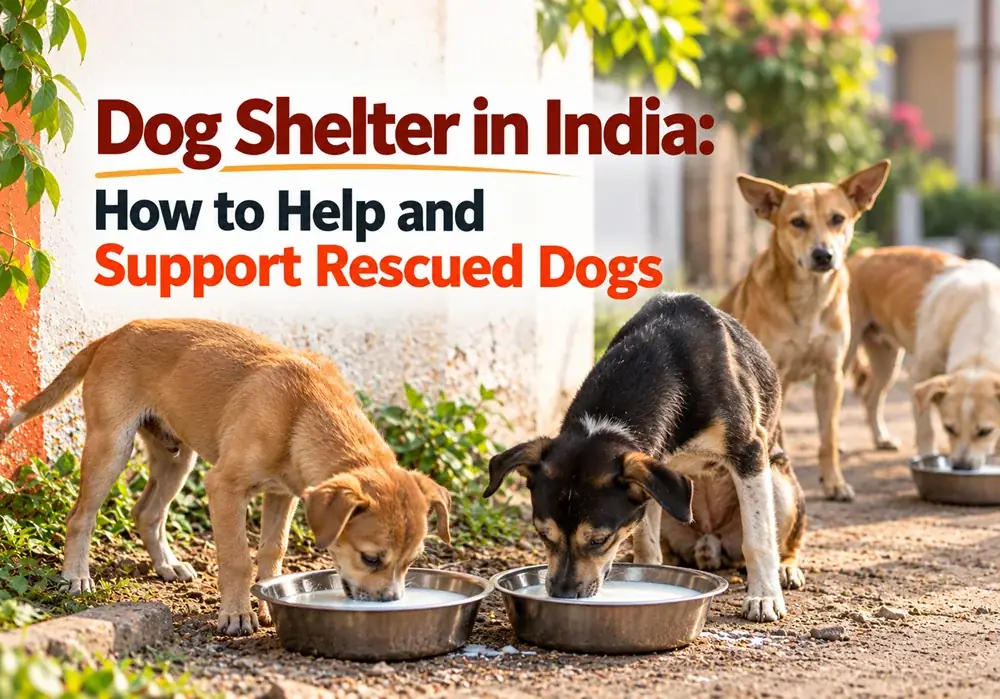
Its animal welfare initiatives include activities related to feeding street dogs, providing access to clean drinking water, and supporting medical care for animals in need. Its Meals for Dogs campaign gives people an opportunity to contribute towards dog-feeding activities.
It is important to distinguish between a dog-feeding campaign and a residential dog shelter. A feeding programme supports access to food, while a shelter generally provides accommodation and care for animals within its facilities. The exact services offered by an organisation should always be confirmed through its official information.
If your goal is to help hungry street dogs, you can explore HopeMitra Foundation’s existing campaign and learn about its stated activities.
Visit the HopeMitra Foundation Meals for Dogs campaign to review the campaign and find out how you can contribute.
Frequently Asked Questions
A dog shelter is a facility that provides temporary or longer-term accommodation and care for dogs, depending on its resources and purpose. Services may include food, veterinary care, rehabilitation, and adoption support.
You can donate money or requested supplies, volunteer, share verified fundraising campaigns, or consider responsible adoption. Contact the organisation to learn about its current needs and available opportunities.
Some shelters accept dog food donations, but requirements vary. Contact the shelter first to confirm which food types and quantities are appropriate.
A dog shelter generally provides accommodation and care for dogs within a facility. A feeding programme focuses on providing meals to dogs, often in their existing communities. Some animal welfare organisations run both types of activities, while others specialise in one.
Yes. Donations, volunteering, sharing verified campaigns, and supporting suitable animal welfare programmes are all ways to help rescued dogs without adopting them.
Some donations may qualify for deductions under applicable Indian tax provisions, subject to the organisation’s eligibility, the type of donation, and current tax rules. Verify the organisation’s current approval and your eligibility before claiming a deduction.
Review the organisation’s registration information, official website, contact details, stated activities, and available programme updates. You can also contact the organisation directly to understand its facilities and services.
Conclusion
Dog shelters and animal welfare organisations play an important role in helping vulnerable dogs receive appropriate care. Through food, veterinary attention, safe accommodation, rehabilitation, and adoption support, these organisations can help address some of the challenges faced by abandoned and rescued animals.
You can contribute to animal welfare even if you cannot adopt a dog or volunteer regularly. Donations, suitable supplies, and responsible community participation can help support the work of organisations caring for animals.
If you want to take a step towards helping hungry street dogs, explore HopeMitra Foundation’s Meals for Dogs campaign. Review the campaign details and discover how you can contribute to its dog-feeding initiative.
Support dog welfare today by visiting the HopeMitra Foundation Meals for Dogs campaign.