
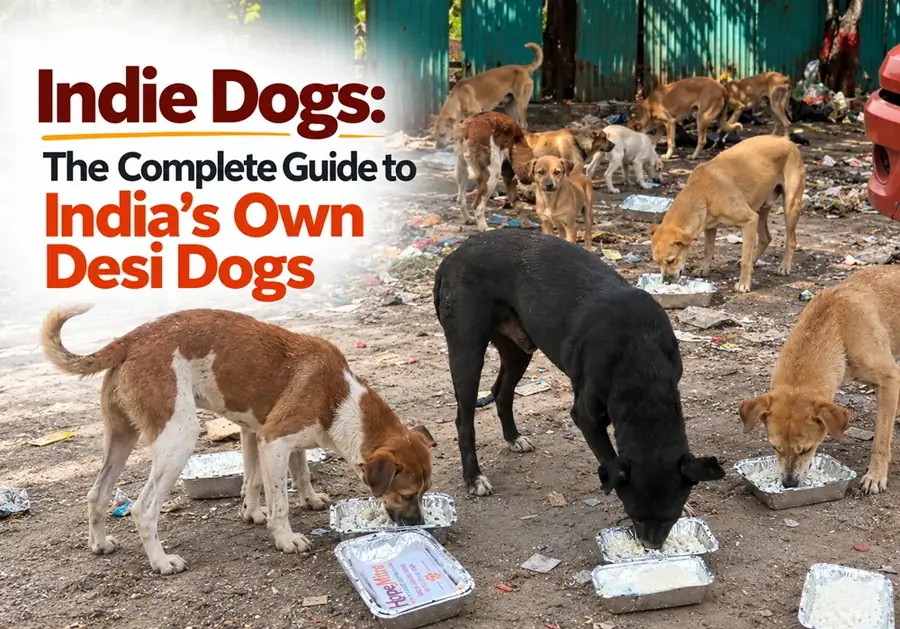
Walk down almost any street in India and you’ll spot one: a lean, alert dog with a sandy or brown coat, watching the world with sharp eyes. That’s an Indie dog, also called a desi dog or street dog. For all their numbers, Indies are still overlooked in favour of imported breeds. That’s a shame, because they are some of the smartest, toughest and most loyal dogs you can bring home. Many of them also still live outdoors and depend on people for food, which is why animal welfare work for street dogs matters so much.
This guide covers what Indie dogs really are, what they’re like to live with, how to care for them, and which native Indian breeds are worth knowing.
What Is an Indie Dog?
“Indie” isn’t a single breed. It’s an umbrella term for India’s native free-ranging dogs, shaped over thousands of years by the country’s heat, monsoons and crowded streets rather than by human breeders. Many of them belong to the Indian Pariah Dog type, a landrace native to the Indian subcontinent and one of the oldest dog types in existence. Others are mixes of local and foreign blood.
Because nobody bred them for a particular look, Indies vary a lot in size, coat and colour. What they share is a natural fitness: they were built by survival.
Indie Dog Characteristics
Size and build. Most Indies are medium-sized, lean and muscular, with long legs and good stamina. Some are smaller and compact, others taller and rangier.
Coat and colour. Short, smooth coats are the most common, and they cope well with Indian summers. Typical colours are tan, brown, black, white and brindle, often in patches.
Temperament. Indies are alert, observant and quick learners. They are usually affectionate with their own family and a little wary of strangers, which makes them natural watchdogs. Early socialisation helps them grow into confident, friendly adults.
Health and lifespan. Natural selection has made Indie dogs generally hardy, and they tend to have fewer inherited problems than many heavily inbred purebreds. With good care, they commonly live 12 to 15 years. They are not invincible, though. Ticks, skin infections and parvovirus are common in India, so vet care still matters.
Why Adopt an Indie Dog?
They suit Indian conditions. Indies are used to our heat and humidity, and many handle them better than thick-coated imported breeds.
They’re easy to groom. A weekly brush and the occasional bath are usually enough for a short coat.
They’re smart and trainable. Indies respond very well to positive reinforcement such as treats, praise and play. Harsh methods make them stubborn or anxious.
They adapt well. An Indie can live happily in a flat or a house with a garden, as long as it gets daily walks and attention.
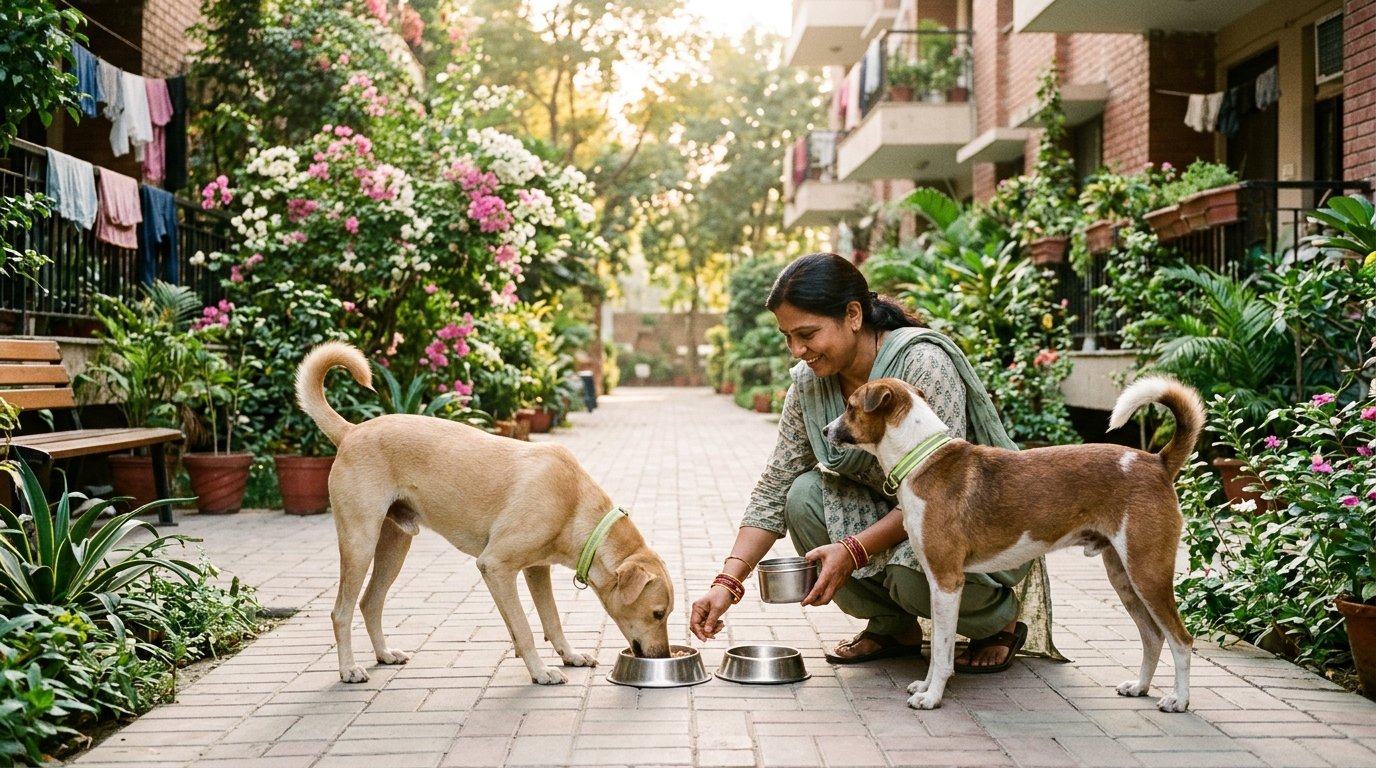
You save a life. Adopting means giving a home to a dog that might otherwise live on the street, and it often costs far less than buying a purebred puppy. If you can’t adopt right now, you can still help: organisations like HopeMitra Foundation run the Meals for Dogs campaign to support feeding of hungry street dogs in Noida.
A note on independence: Indies are self-reliant, but that doesn’t mean they want to be left alone all day. They bond closely with their people and need company, exercise and something to do.
How to Care for Your Indie Dog
Diet and nutrition
Feed a balanced diet with enough protein, healthy fats, vitamins and minerals, adjusted for age, size and activity. A good-quality commercial dog food works well; if you cook at home, check the plan with your vet. Avoid chocolate, onions, grapes and cooked bones. Keep fresh water available at all times, especially in summer.
Exercise and mental stimulation
Plan for at least 30 to 60 minutes of walking or play every day. Add puzzle feeders, sniff games and short training sessions to keep that sharp mind busy. A bored Indie will find its own entertainment, often your furniture.
Grooming and hygiene
Brush weekly, more often if the coat is long. Check the ears for dirt or odour, trim nails regularly and bathe only when needed.
Vaccination and healthcare
Stick to the vaccination schedule your vet recommends, which usually starts in early puppyhood and includes rabies. Keep up with deworming and tick-and-flea control, which matter a lot in India’s climate. Schedule an annual check-up and look after the teeth with regular brushing.
Training and socialisation
Start early. Introduce your puppy to new people, sounds, dogs and places during the first few months. Teach basics like sit, stay and recall, and be patient and consistent.
Native Indian Dog Breeds Worth Knowing
Besides the everyday Indie, India has several recognised native breeds. You can see the wider picture in this list of dog breeds from India.
- Indian Pariah Dog: intelligent, alert and adaptable; the classic desi dog.
- Rajapalayam: a tall white sighthound from Tamil Nadu, loyal to its family and wary of strangers.
- Mudhol Hound: a fast, lean hunting dog from Karnataka that needs plenty of exercise.
- Chippiparai and Kanni: slender South Indian sighthounds known for speed and agility.
- Kombai: a sturdy, protective dog from Tamil Nadu, traditionally used for guarding.
Final Thoughts
If you want a loyal, intelligent and adaptable companion that suits Indian weather, an Indie dog is hard to beat. You won’t get a pedigree certificate, but you will get a dog who is deeply attached to you, and you’ll give a deserving animal a home.
Want to do more for desi dogs? Read about HopeMitra Foundation’s work, explore their blog, or donate to support street dogs.
Already have an Indie, or planning to adopt one? Explore PetIndiaOnline for food, grooming tools, toys and accessories that keep your desi dog healthy and happy.
Frequently Asked Questions
Yes. Indie dogs have lived alongside people in India for thousands of years and are well used to our heat and humidity. They are intelligent, loyal and need less grooming than many imported breeds. Like any dog, they still need daily exercise, vaccinations and attention.
No, Indie dogs are not aggressive by nature. They are alert and can be wary of strangers or unfamiliar dogs, which is normal for a territorial dog. Early socialisation and positive training help them grow into calm, friendly adults.
Yes. Indies are quick learners and respond well to treats, praise and play. Harsh punishment tends to make them anxious or stubborn, so patient, consistent, reward-based training works best.
Indies generally have fewer inherited health problems than many heavily inbred purebreds, and they commonly live 12 to 15 years with good care. They are not disease-proof, though. Ticks, skin infections and parvovirus are common in India, so vaccination, deworming and regular vet check-ups are still essential.
Yes, as long as it gets 30 to 60 minutes of walking or play every day, along with mental stimulation like puzzle toys and sniff games. A bored, under-exercised Indie can become destructive, whatever the size of your home.
Both can work well. A puppy is easier to socialise from the start but needs more time, training and vet visits. An adult dog often has a settled personality, so you know what you are getting, and many adults are already house-trained. Choose based on the time and energy you can give.
Wash the wound thoroughly with soap and running water for at least 15 minutes, then see a doctor as soon as possible to check whether you need anti-rabies vaccination or other treatment. Do not delay, even if the bite looks small.
You can support organisations that feed and care for street dogs. HopeMitra Foundation runs the <a href="https://hopemitra.org/campaigns/meals-for-dogs/">Meals for Dogs campaign</a> to support feeding of hungry street dogs in Noida. You can also help by getting community dogs vaccinated and spreading awareness about adopting Indies.