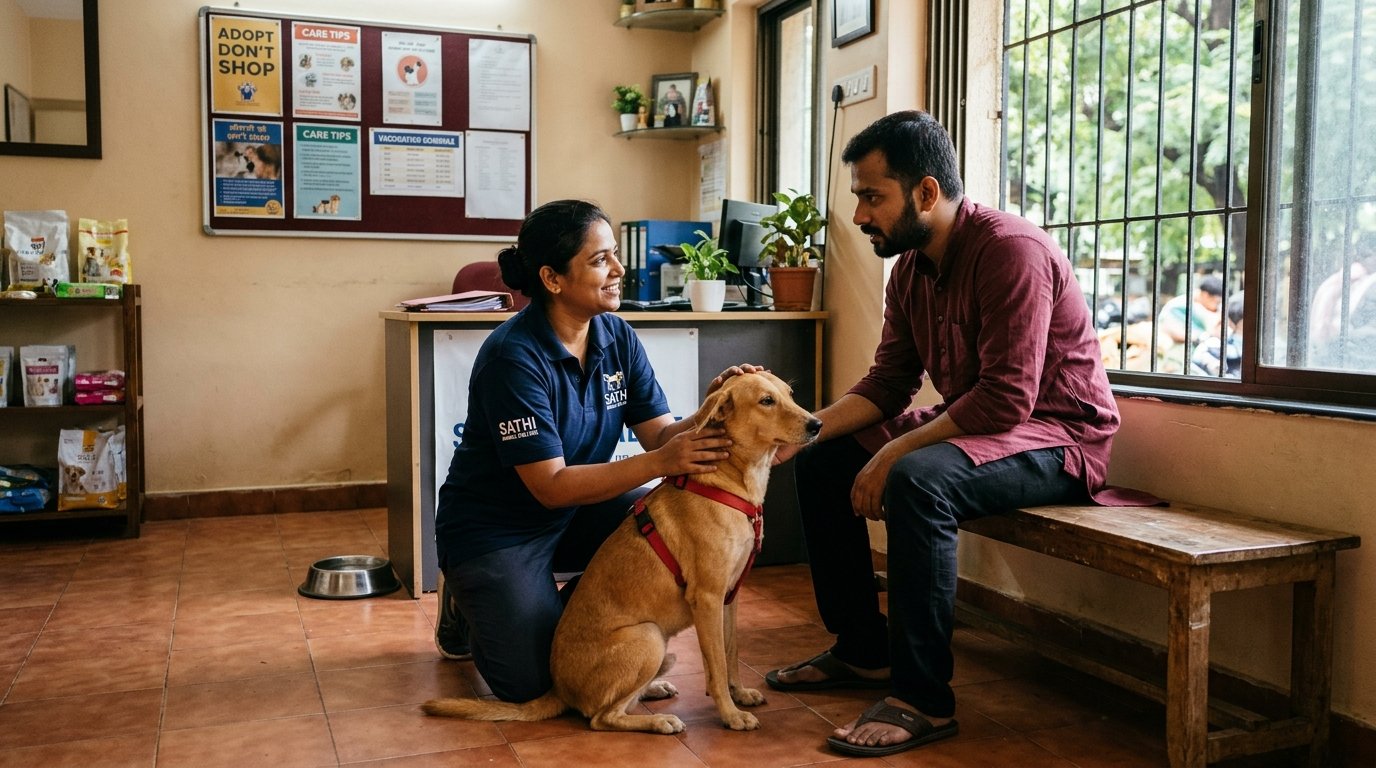

Most of us pass a street dog every day. Some of us feed one, some of us fear one, and many of us simply want to know what we can actually do that helps. The honest answer is that the most useful things are rarely the most obvious. Tossing biscuits on the roadside feels kind, but sterilising, vaccinating and organising a lane does far more.
This guide gives you 12 practical ways to help stray dogs in India, what works, what does not, and what the rules say right now. It is written for compassionate residents, housing societies and students who want to do something real. It also includes a simple method to measure whether your own street is getting safer.
Legal note: Rules on stray dogs have changed several times since 2025. This guide reflects the position as of November 2026. Check your own city’s current rules, and have this page reviewed legally before publishing.
Quick answer
- Sterilise and vaccinate. This is the single most effective, legal and humane way to reduce street-dog numbers and rabies risk.
- Feed responsibly, at a designated spot, at fixed times, and clean up afterwards.
- Work with your neighbours and RWA. Lanes where people coordinate are calmer and safer.
- Report and rescue injured dogs safely, and support a genuine NGO.
- Never harm, relocate or poison dogs. It is illegal, and it does not work.
What the rules say right now
Two things shape how you can help.
The Animal Birth Control (ABC) Rules, 2023 treat sterilisation and anti-rabies vaccination as the main way to manage street dogs. Under the rules, local bodies must catch, sterilise, vaccinate and then release dogs back to the same area where they were picked up, because street dogs are territorial. Local bodies and Resident Welfare Associations (RWAs) also have duties around designated feeding spots.
The Supreme Court’s stray-dog case went back and forth in 2025 before reaching a final judgment on 19 May 2026. As reported by the Supreme Court Observer, the Court upheld the Animal Welfare Board of India’s standard operating procedure, kept the treat-and-return approach under the ABC framework, and directed states and civic bodies to implement it. Reports also describe directions for feeding in designated zones, shelters for rabid or aggressive dogs, and keeping strays out of institutional areas such as schools, hospitals and stations.
What this means for you: feeding and caring for street dogs is not banned, but where and how you do it matters, and moving or removing dogs yourself is not allowed.
12 ways to help stray dogs in India
1. Learn the rules for your city
Search for your municipal corporation’s stray-dog or ABC page, find out whether your ward has a designated feeding spot, and note the complaint helpline. Rules and enforcement vary by city. The Animal Welfare Board of India publishes guidance you can read.
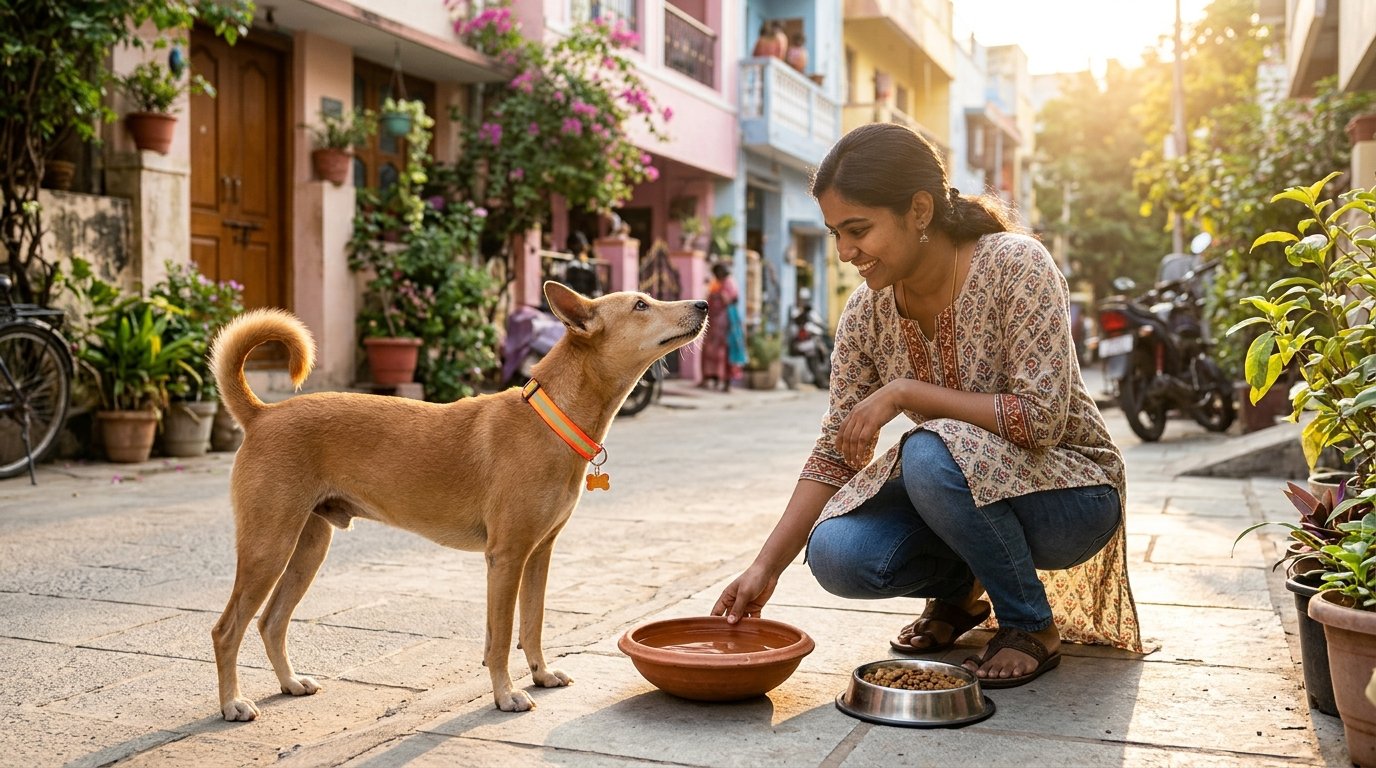
2. Feed responsibly
Feeding is the most common way people help, and the most common source of neighbour conflict. Do it well:
- Feed at the designated spot if there is one, or a quiet place away from staircases, building entrances, play areas and busy roads.
- Keep to fixed times so dogs are not hanging around all day.
- Give simple, fresh food such as plain rice, dal and boiled egg, plus clean water. Avoid sweets, chocolate, spicy food and leftovers with bones.
- Clean up every time. Pick up leftovers and bowls, and keep the spot tidy.
- Do not feed in a way that blocks pedestrians or upsets neighbours.
3. Get street dogs sterilised
Sterilisation stops the cycle of puppies, reduces fighting and roaming, and is the heart of the ABC approach. Call your municipal ABC unit or a registered animal NGO, give the exact location, and ask when a team can come. Sterilised dogs are usually marked with a small ear notch so they are not caught twice. Be patient and polite, because teams cover large areas.
4. Make sure dogs are vaccinated against rabies
Rabies is deadly once symptoms start, but it is preventable. Vaccinating street dogs protects both the dogs and the people around them. Ask the ABC team or an NGO to vaccinate while they sterilise, and keep a record of the date.
If someone is bitten or scratched: wash the wound with soap and running water for about 15 minutes, and go to a doctor or hospital the same day for anti-rabies treatment. Do not wait to see if the dog falls ill.
5. Report and help injured dogs safely
Call a local animal rescue or the municipal helpline, stay at a safe distance, and do not try to handle a frightened or injured dog without guidance. Our step-by-step guide on how to rescue a stray dog safely explains what to do and what to avoid.
6. Work with your RWA or housing society
Most conflict comes from fear and lack of a plan. Propose a simple society policy: a designated feeding spot, set feeding times, a vaccination drive, a notice board with the helpline number, and one coordinator to speak for the dogs. If a dog keeps staying outside your gate, our guide on what to do when a stray dog won’t leave covers humane, legal steps.
7. Support a genuine NGO
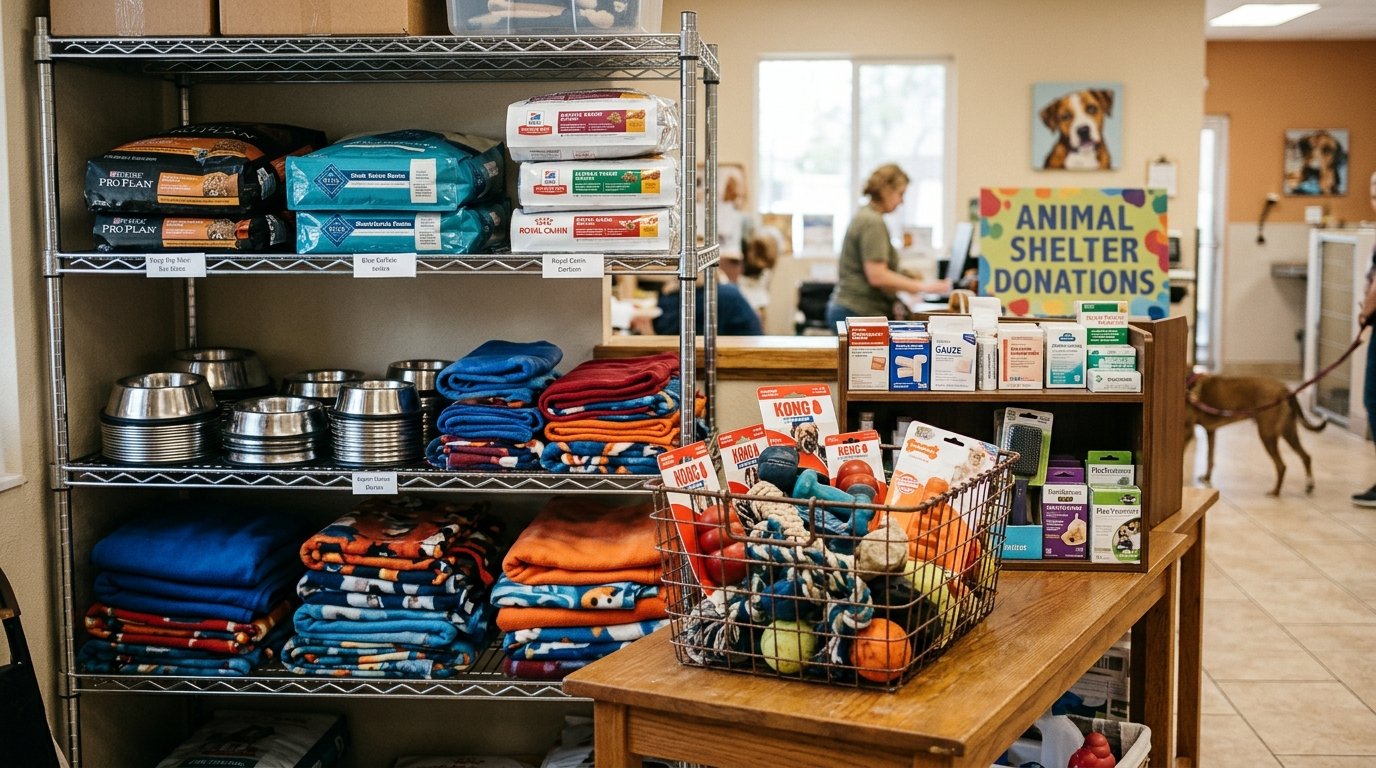
Money and supplies help organisations that sterilise, vaccinate, rescue and treat dogs. Choose carefully. Our guide on how to choose a trustworthy animal charity gives you a checklist, and our shelter needs list shows what to give and what to avoid.
8. Foster or adopt an Indian dog
Indian street dogs are hardy, smart and adaptable. Fostering a dog for even a few weeks gives a rescue room to save another life. If you adopt, plan for the settling-in period. Our guide on the 3-3-3 rule for dogs explains what to expect in the first three months.
9. Volunteer your time and skills
You do not need to handle dogs to help. Rescues need drivers, photographers, writers, social media helpers, accountants, and people who can run a vaccination camp, so offer whatever you do well.
10. Protect dogs in extreme weather
Monsoon and winter are hardest, especially for puppies and older dogs. Put out a dry, covered resting place such as a sturdy box with clean bedding, keep water available in summer, and never shut a dog in a sealed space.
11. Stop the puppy cycle
Unsterilised dogs and unwanted litters feed the problem. Sterilise your own pets, do not breed casually, adopt instead of buying, and encourage neighbours to do the same. Many street dogs began life as abandoned pets, which is why preventing abandonment matters. Read more on why pets get abandoned and how to prevent it.
12. Speak up against cruelty
Poisoning, beating, and illegal relocation of street dogs are offences. If you witness cruelty, note the time, place and any evidence, then report it to the police and an animal welfare organisation. Quiet kindness is good, and speaking up when needed is better.
The insight most guides miss: measure your lane’s Lane Coverage Score
Most advice tells you to “get dogs vaccinated”, and then stops. But how do you know whether your street is actually safer? Here is a simple method any resident or RWA can use. We call it the Lane Coverage Score.
Step 1: Count the dogs. Walk your lane or society at the same time on three different days and write down every dog you see. Take the highest number as your starting count.
Step 2: Make a Dog Card for each one. A single page or a phone note with a photo, a name or nickname, approximate age, sex, where it usually stays, who feeds it, whether it is sterilised (look for the ear notch), and the date of its last rabies vaccination.
Step 3: Work out your score. Divide the number of dogs with a rabies vaccine in the last year by the total number of dogs, and multiply by 100.
- Example: 14 dogs in your lane, 9 vaccinated. 9 divided by 14 is about 64 per cent.
Step 4: Aim for the target. Rabies-control programmes generally aim to vaccinate around 70 per cent of the dog population in an area to interrupt rabies transmission. If your lane is below that, you now know exactly how many dogs to get vaccinated, and which ones.
Step 5: Repeat every six months. New dogs arrive and vaccines expire, so keep the cards updated.
Why this works:
- It turns a vague worry into a number your RWA, ABC team or NGO can act on.
- It shows neighbours that the dogs are being managed, not ignored, which lowers conflict.
- It helps you spot a new, unvaccinated or injured dog quickly.
- It gives you a record to hand to the municipal team or an NGO when you ask for help.
What does not work (and can make things worse)
- Relocating or dumping dogs elsewhere. They are territorial, often return or suffer in unfamiliar places, and relocation by individuals is not allowed under the ABC framework.
- Poisoning or culling. Illegal, cruel, and it does not reduce numbers for long, because new dogs move in.
- Feeding randomly and everywhere. It attracts crowds of dogs, creates mess, and increases conflict.
- Feeding biscuits, milk, sweets or leftovers as a daily diet. They do not meet a dog’s needs and can cause illness.
- Taking a dog away from its territory without a plan. Removing one dog can open space for others to arrive.
- Waiting for “someone” to fix it. The lanes that change are the ones where one person starts.
A simple starting plan
If you are not sure where to begin, try this over one month.
- Week 1: Count the dogs, make Dog Cards, and find your municipal ABC contact or a local NGO.
- Week 2: Request sterilisation and vaccination for unmarked dogs, and talk to your RWA about a feeding spot.
- Week 3: Set fixed feeding times and a cleaning routine, and put the helpline number on a notice board.
- Week 4: Calculate your Lane Coverage Score, share it with your neighbours, and decide what to tackle next.
Frequently asked questions
How can we help stray dogs in India? Support sterilisation and vaccination, feed responsibly in a suitable spot, coordinate with your RWA, report injured dogs, support a genuine NGO, and consider fostering or adopting.
Is it legal to feed stray dogs in India? Feeding is not banned, but recent Supreme Court directions and the ABC Rules push feeding towards designated spots. Check your own city’s current rules and feeding zones.
How do I feed stray dogs the right way? Use a quiet, designated spot, feed at fixed times, offer simple food like rice, dal and egg with clean water, and clear up afterwards.
How do I report an injured stray dog? Call a local animal rescue or your municipal helpline, share the exact location, and keep a safe distance until help arrives.
How do I support animal birth control (ABC) in my area? Contact your municipal ABC unit or a registered NGO, give exact locations of unsterilised dogs, help with access, and offer to coordinate with neighbours.
Can I take a stray dog home? Yes, you can adopt, but do it responsibly with a vet check, vaccination and a plan for settling in. Our guide on how to rehome a dog safely also helps if you ever need to find a new home.
Ready to do something this week?
Start with a count and a call. If you want a partner, reach out to Hope Mitra, or donate to support our work with street dogs.