
The best place to give a dog away is not a place. It is a person: someone who has been checked, who has a plan, and who has agreed in writing to look after your dog. That is good news if you are looking for a new home yourself, because it means you have more control than you think.
This guide walks you through rehoming a dog on your own in India, step by step. It covers how to prepare your dog, where to look, how to screen a new owner, how to spot scams, and how to hand your dog over safely. It also includes one screening method that goes beyond the usual “Do you love dogs?” questions.
If you would rather hand your dog to a shelter or NGO, read our guide on how to surrender a dog responsibly in India instead. This guide is for people who want to find the new home themselves.
Quick answer
- Never post “free dog, first come first served”. Every dog should go through screening, however much of a hurry you are in.
- Prepare first: vet check, vaccinations, honest profile, clear photos.
- Screen in five stages: written questions, video call, neutral meeting, home visit, references.
- Use scenario questions that show whether a person has a plan, not only good intentions.
- Sign a handover agreement and do a short trial period with a right of return.
- Keep the door open. A good new owner will take the dog back or call you before giving up.
Before you start: get your dog ready
A well-prepared dog finds a good home faster, and preparation protects both the dog and the next family.
- Visit your vet. Get a health check, vaccination and deworming record, and tick and flea control up to date. Ask about sterilisation if your dog is not yet neutered, as it makes rehoming safer and prevents unplanned litters.
- Write an honest profile. Include age, size, temperament, energy level, what the dog likes, and what the dog finds hard. Be upfront about barking, separation anxiety, fear of children, resource guarding or any bite history.
- Take good photos and a short video. Clear, natural light, the dog’s full body, and the face. Do not use filters.
- Gather the paperwork. Vaccination card, medical notes, any microchip details, and the dog’s regular food and routine.
- Set a timeline. Rehoming takes weeks, not days. If you can, give yourself at least three to four weeks.
Honesty here is not just kind. Most failed adoptions happen because an owner hid a problem to get the dog placed faster.
Where to look, and where not to
If you do post publicly, share the dog’s photo and general area only. Do not post your full address, phone number in the open, or details that let a stranger turn up at your door.
The five-stage screening
Put every interested person through all five stages. If someone objects to screening, that tells you something.
Stage 1: Written questions
Send a short form or message. Ask:
- Who lives in the home, and are there children, elderly people, or other pets?
- Have you owned a dog before? What happened to that dog?
- Do you rent or own? If you rent, does your landlord allow dogs?
- How many hours is the dog alone on a typical day?
- Who will look after the dog when you travel?
- Which vet would you use, and can you budget for vaccinations, food and emergencies?
- Why do you want this particular dog?
Stage 2: Video call
Talk face to face. Notice whether the adults in the household are all aligned, and whether they ask you about the dog, not only about the price or breed.
Stage 3: Meet in a neutral place
Meet in a public place such as a park, with the dog on a leash, and bring a friend. Watch how they handle the dog. Do they let the dog approach in its own time, or grab, shout or force?
Stage 4: Home visit
Visit the home before the dog goes there. Check for secure gates and balconies, a safe space for the dog to rest, and a household that is calm with animals. If you cannot visit in person, ask for a live video tour of every area the dog would use.
Stage 5: References
Ask for one or two references, such as a vet, a neighbour, or someone who has seen how they care for animals. Then actually call them.
The insight most guides miss: use the “3 a.m. test”
Most screening guides ask people what they feel: “Do you love dogs?” “Will you treat him like family?” Almost everyone says yes. Feelings are easy to claim and hard to verify.
A better method is to ask scenario questions, where the person has to describe what they would do when things get hard. People who have thought it through answer with specifics. People who have not, go vague. We call it the 3 a.m. test, because dogs rarely get surrendered on a good day. They get surrendered at 3 a.m. when something goes wrong.
Ask these, and listen to the shape of the answer:
- “It is day ten. The dog has chewed your sofa and cried all night. What do you do?”
- “The vet says the dog needs surgery that costs more than you expected. What is your plan?”
- “You get a job transfer to another city in six months. What happens to the dog?”
- “Your dog starts barking at the neighbours and the society complains. What then?”
- “A new baby is coming in a year. How will the dog fit in?”
How to read the answers:
You are not looking for perfect answers. You are looking for someone who has thought about the hard days and will come back to you for help instead of dumping the dog.
Red flags and common scams
- Interest in the dog without asking a single question about it.
- Pressure to hand over the dog today, or to deliver it without meeting.
- Offers to send a courier or a “transporter”, or requests for money for “transport” or “registration”.
- Wanting only a young, purebred or specific-coloured dog, with questions about breeding.
- Offering a lot of money for the dog, or insisting on paying in cash with no agreement.
- Refusing a home visit or a video call.
- Stories that change between conversations.
- Wanting the dog for protection, to chain outside, or to “toughen up”.
- A history of giving up pets, or vague answers about earlier dogs.
If your gut says no, say no. It is always better to wait for the right person.
Should you charge a rehoming fee?
Many rehomers ask for a modest fee. It is not for profit. It can discourage people who see a dog as a free item to flip, and it shows the adopter is ready to spend on the dog. If you charge one, say clearly what it is for, put it in the agreement, and consider using it to cover the dog’s vaccination or sterilisation costs. Never ask for money that is meant to go to a third party you cannot verify.
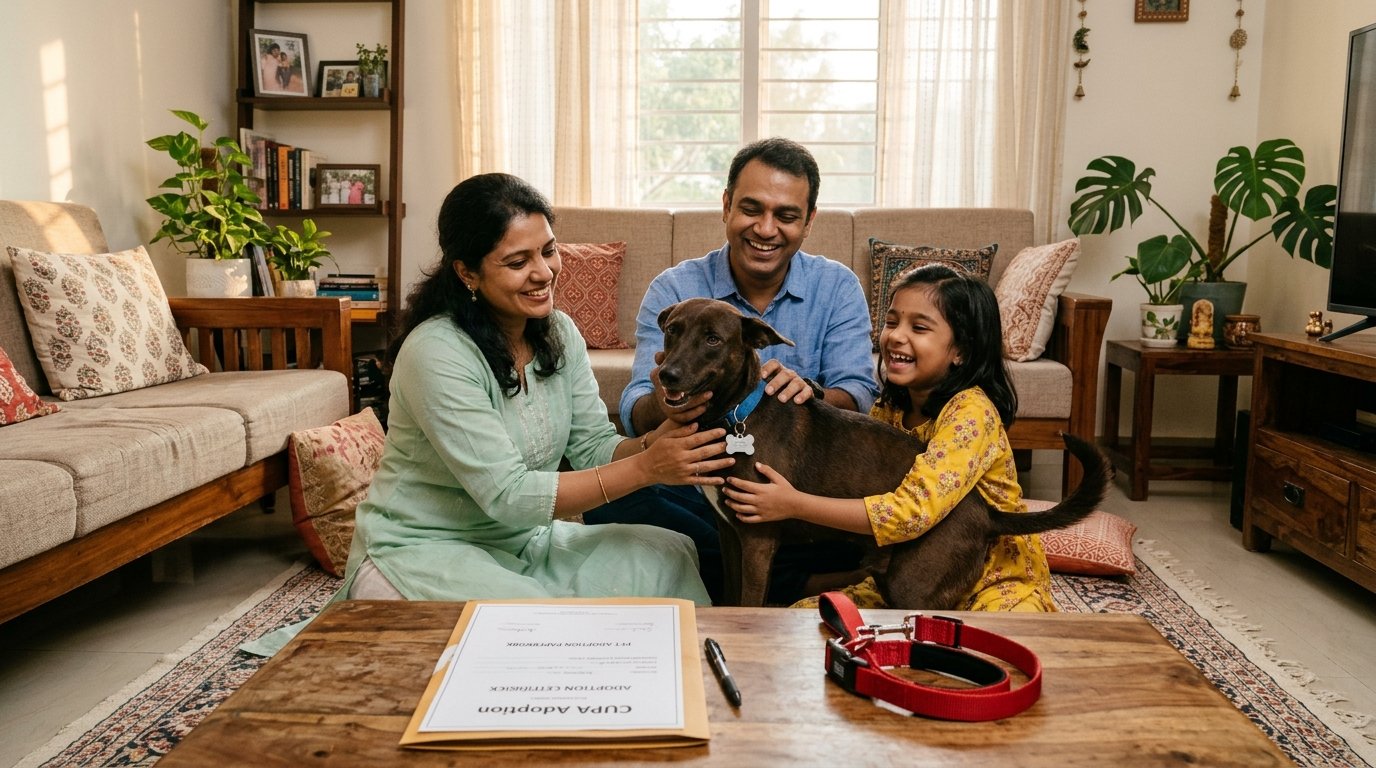
The handover agreement
A written agreement does not replace judgement, and it may not be easy to enforce in court, but it sets expectations and gives you a basis to ask for the dog back. Keep it short and clear. You can adapt this outline and have it reviewed by a lawyer if you wish.
Dog Rehoming Agreement
Dog: [Name, age, breed or mix, colour, microchip or other identifiers] Previous owner: [Name, address, phone] New owner: [Name, address, phone, ID number] Date of handover: [Date]
The new owner agrees to:
- Provide food, clean water, shelter, exercise, companionship and veterinary care.
- Keep the dog vaccinated and sterilised (if not already), and keep records.
- Never sell, give away, abandon, chain permanently, or breed the dog.
- Contact the previous owner first if they can no longer keep the dog, and allow the dog to be returned.
- Share a photo and a short update at day 3, day 14, day 30, and day 90.
- Allow a visit or video call on request during the first three months.
The previous owner has disclosed all known health and behaviour issues.
Signatures: [Previous owner] [New owner] [Witness]
Abandoning an animal is treated as cruelty under the Prevention of Cruelty to Animals Act, 1960, so it is fair to make that part of your conversation with any new owner.
The trial fortnight
Where possible, make the first 14 days a trial. Both sides can say “this is not working” without blame, and you agree the dog returns to you if needed. Dogs also take time to settle in a new home. Our guide to the 3-3-3 rule for dogs explains what to expect on day 3, week 3 and month 3, so you and the new owner do not mistake normal adjustment for a problem.
After the handover
- Send the paperwork, food, and a familiar blanket or toy.
- Keep the dog’s routine and food the same for the first week.
- Check in on day 3, day 14, day 30 and day 90, as you agreed.
- Make it easy for the new owner to call you if something goes wrong.
- Update any microchip or registration details only once the trial is over and you are confident in the home.
If you cannot find the right person
Sometimes the right home does not appear. That is not a failure. You can keep looking while you check other options, ask a rescue about foster support, or arrange a bridge period. Our guide on why pets get abandoned explains the pressures that lead people to this point, and how animal shelters in India work will help you understand what shelters and NGOs can and cannot do. Check whether a shelter you approach is recognised by the Animal Welfare Board of India.
Frequently asked questions
How do I screen a new owner for a dog? Use five stages: written questions, a video call, a meeting in a neutral place, a home visit, and references. Add scenario questions, such as what they would do if the dog chewed furniture or needed an expensive operation.
Is it safe to give a dog away on social media? It can be, but only with full screening. Public posts attract flippers, breeders and scammers, so never hand over a dog on a first meeting, and avoid “free to good home” wording.
Do I need a rehoming contract for a dog? A written agreement is strongly recommended. It lists the dog’s details, the new owner’s promises, a return clause and a check-in schedule. It may be hard to enforce in court, but it sets clear expectations.
Should I charge a fee when rehoming a dog? A modest fee can discourage people who are not serious, and can help cover vaccination or sterilisation. Be transparent about what it covers.
What if the new owner says it is not working? Honour your return clause. A dog coming back to you is better than a dog being passed to a stranger or abandoned.
Can I rehome an older or senior dog myself? Yes, but it can take longer. Be honest about health needs, and look for calm, experienced adopters. Our guide on whether a senior should adopt a dog shows how age and home fit together.
Need help finding the right home?
If you are stuck, talk to Hope Mitra. We cannot promise a place for every dog, but we can help you think through the safest next step.